
Vegan Manifesto (Note: I will almost always use quotation marks around the word “animal” because the word only exists to differentiate us from all the rest of living beings, there has never been “an animal” in the entire history of the world.)
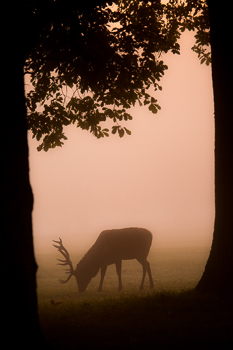
We come across an “animal” in the country and we stop and look, we would like to get closer – if it will let us. We look at “animals” on the web – adorable cat videos, irresistible puppies, heartwarming mixed species friendships, etc. We look at photos of “animals”, watch documentaries, decorate calendars and our children’s clothing and walls, books, we go to zoos, spend thousands of dollars on photo wildlife safaris, we collectively spend billions on our millions of pets.
We have been looking at “animals” for a long time – a very, very long time. Anthropologist Pat Shippman, in her book The Animal Connection, observes that in all of cave art , the overwhelming feature, with by far the greatest detail and prominence is the “animal”. The “animal” walks by us, and we stare.
We, homo sapiens, live outside of real time; instead, we spend our entire existence in an imaginary time. Part of our time is spent contemplating the past, the rest, thinking about the future. Gurus tell us to “Be here now”, “live in the present” but unless we are zen masters this is unlikely. We spend our lives in the non-existent future and past but seldom in the actual present.
We have removed ourselves almost completely from the real, ongoing world. We live in the map we have created of the world, but are no longer in that world. We have become phenomenally impoverished. With all our riches and accomplishments as a species, we are locked out of the real world. We live in the jail of our constructed reality. It is life imprisonment. We look out from our prisons at the “animal” still living fully in the real world and dimly sense what we have lost. The “animal” exists almost entirely in the present, while we almost never do. The “animal” is everything we have cast aside from ourselves, and what unconsciously we yearn to return to. This deep ambivalence can be seen across history. We have variously made the animal into gods, into devils; we have worshipped them, denigrated them, slaughtered them by the billions, tortured them, and lovingly taken them into our houses and hearts. We are desperate to be close to them and at the same time murderously reject them. This is identical to the way we relate to the “animal within”. We despise it: “He ‘acts like an animal’, and we admire it: “She moves with the grace of an animal”, “He has the heart of a lion”
This ambivalence causes us to entwine our beloved children with stuffed animals, animal clothing, cartoons, and stories then serve them dead animals on their plates.
As a species we are crazy and we are growing crazier.
 The Vegan Manifesto
The Indigenous are closely connected to animals and are therefore closely connected to themselves. Observing the behaviours of animals can teach us a lot about how to be with each other and with ourselves. Whether we are observing animals, plants, other people, or even the universe we are experiencing ourselves through another.
LikeLike
Right on Monica! Thanks for the thoughts and for checking out my new blog. I hope this note finds you and the family well and thriving.
Eric
LikeLike
I am very well and very glad you and the family are alright. Yes I think 2019 has much promise. Lets hope.
Eric
LikeLike
Finally got a chance to read this. Blog on! It will help me reduce my meat intake and inner conflict.
LikeLike